S4PIENS · Food
Cane sugar
What it takes to make it, and what it does to the planet.
Producing one kilogram of cane sugar emits about 3.2 kg of greenhouse gases (CO₂-equivalent) on average, placing it number 14 of 38 foods in the largest study of food systems, which covers 38,700 farms in 119 countries.
Each kilogram also takes about 2 square metres of land and 620 litres of fresh water.
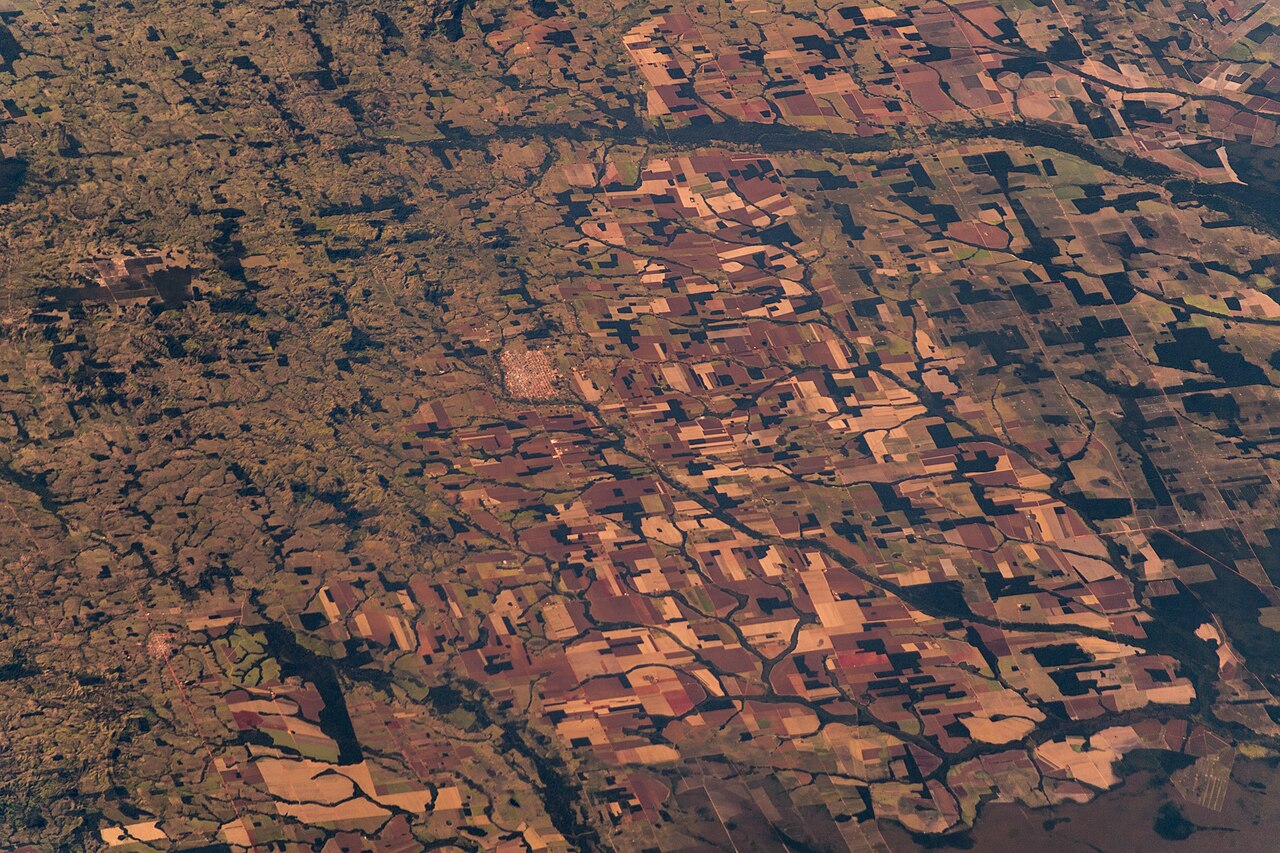
Brazil, India and China together produced 68% of the world's sugar cane in 2024.
How it compares
Greenhouse gases from farm to shop, for every food in the study.
Where it comes from
The largest producers of sugar cane in 2024, in tonnes.
What it does to nature
Questions people ask
How much CO₂ does cane sugar produce?
About 3.2 kg CO₂-equivalent per kilogram on average, from farm to retail (Poore & Nemecek 2018). That is number 14 of 38 foods in the study.
How much land does cane sugar need?
About 2 m² per kilogram on average, including the land used to grow feed.
Where does cane sugar come from?
The largest producers in 2024 were Brazil, India, China, Pakistan, Thailand. The world produced 1,940 million tonnes of sugar cane.
Sources and photo credits
- Poore & Nemecek (2018), Science, via Our World in Data (CC BY)
- FAO production data via Our World in Data
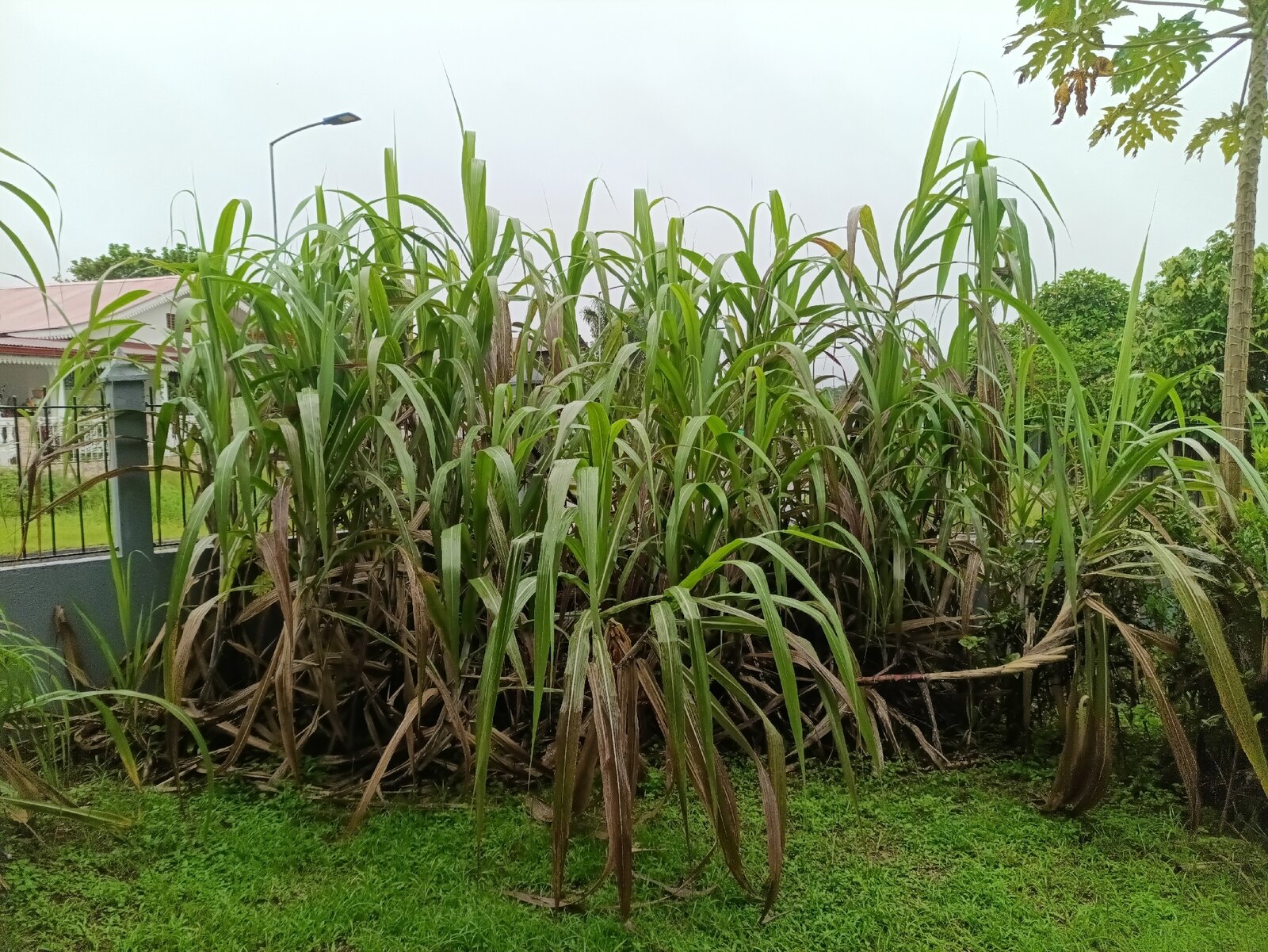
- Photo: Guillaume Delaitre, CC BY 4.0
Global averages across farms and countries (Poore & Nemecek 2018); a single product can be well above or below them. Not advice for any one person.