S4PIENS · Food
Berries and grapes
What it takes to make it, and what it does to the planet.
Producing one kilogram of berries and grapes emits about 1.5 kg of greenhouse gases (CO₂-equivalent) on average, placing it number 24 of 38 foods in the largest study of food systems, which covers 38,700 farms in 119 countries.
Each kilogram also takes about 2.4 square metres of land and 420 litres of fresh water.
China, Italy and Spain together produced 39% of the world's grapes in 2024.
How it compares
Greenhouse gases from farm to shop, for every food in the study.
Where it comes from
The largest producers of grapes in 2024, in tonnes.
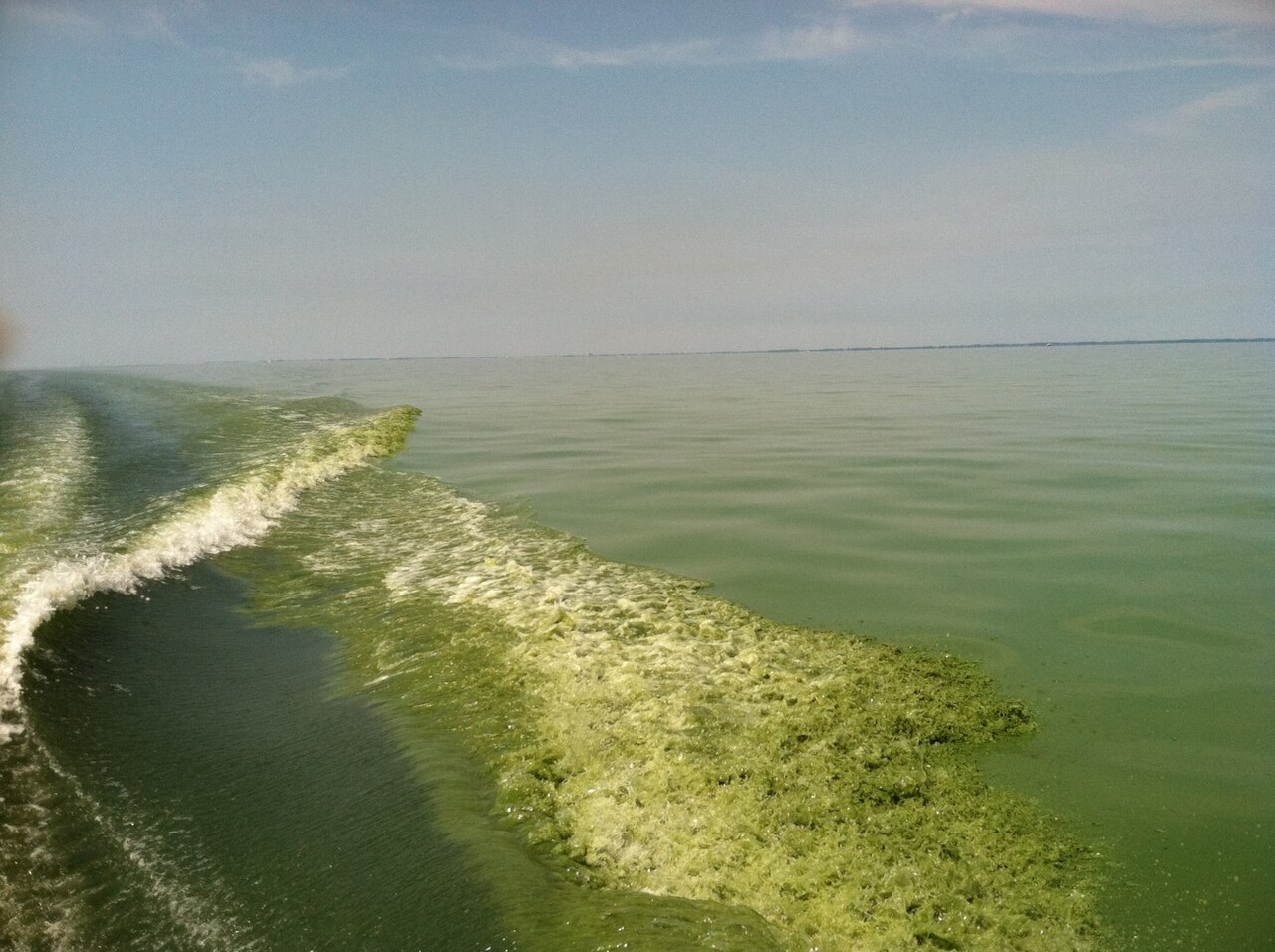
What it does to nature

Better choices
- Per 100 g of protein, berries and grapes emits about 15.3 kg CO₂e. The same protein from nuts (0.3), peas (0.4), beans and other pulses (0.8), peanuts (1.2) emits less.
Questions people ask
How much CO₂ does berries and grapes produce?
About 1.5 kg CO₂-equivalent per kilogram on average, from farm to retail (Poore & Nemecek 2018). That is number 24 of 38 foods in the study.
How much land does berries and grapes need?
About 2.4 m² per kilogram on average, including the land used to grow feed.
Where does berries and grapes come from?
The largest producers in 2024 were China, Italy, Spain, United States, France. The world produced 75.9 million tonnes of grapes.
Sources and photo credits
- Poore & Nemecek (2018), Science, via Our World in Data (CC BY)
- FAO production data via Our World in Data
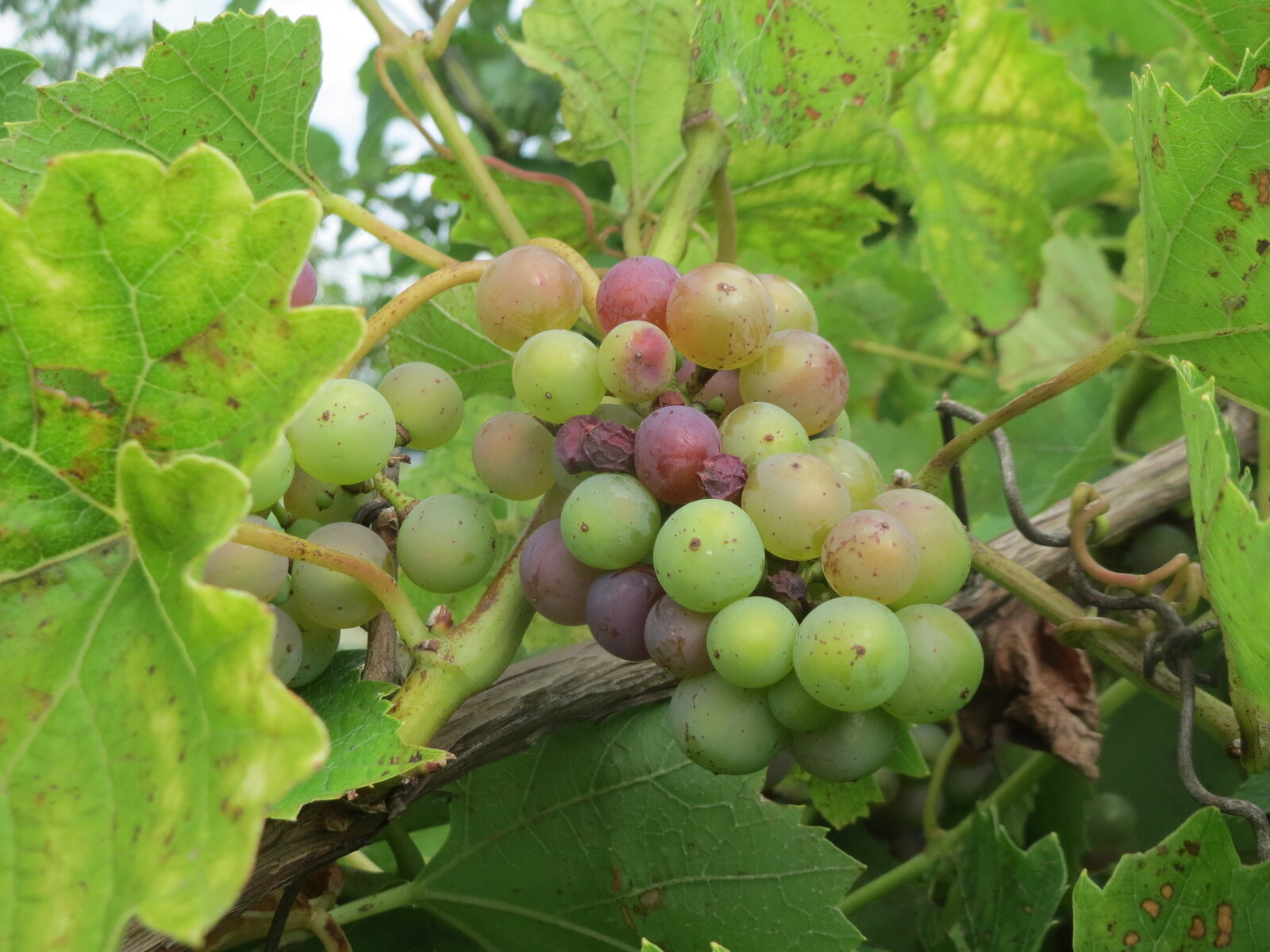
- Photo: Andreas Rockstein, CC BY-SA 4.0
Global averages across farms and countries (Poore & Nemecek 2018); a single product can be well above or below them. Not advice for any one person.